Residential therapeutic community for young adults aged 17–26, Mount Gilboa. Part of the Neve Malkishua organisation. MoH and Welfare supervised. Hebrew-language programme.
Malkishua Afik (מלכישוע קהילת אפיק) is a residential therapeutic community designed specifically for young adults aged 17 to 26 who are working to recover from substance use disorders. It is one of three addiction treatment programmes operated by Neve Malkishua on the Mount Gilboa campus in northern Israel — alongside the Malkishua Therapeutic Community for adult men and the Malkishua Detox Unit.
The word afik in Hebrew means a channel or watercourse — a path that gives flow and direction. The name reflects the programme’s purpose: helping young adults who have begun their adult lives in the shadow of addiction to find a clear direction forward, and to develop the foundations of a life that does not depend on substances.
The Afik programme uses the therapeutic community model, adapted to the particular developmental needs of young adults. Alongside addiction treatment, the programme addresses education, vocational development, and the social skills that young people may not have had the chance to build during years of active substance use.
The programme is supervised by both the Israeli Ministry of Health and the Ministry of Welfare, and operates within the public welfare addiction rehabilitation framework.
Note: This profile is based on sources from 2020 and the Malkishua organisation website. Phone and programme details should be confirmed directly with the centre before making decisions.
The therapeutic community model at Malkishua Afik is built around the same foundational principles used across the Malkishua network — structured community living, peer accountability, and the gradual rebuilding of identity and responsibility — but applied specifically to young adults and their developmental stage.
Young people entering recovery face a different set of challenges from adults: they may not have completed school, developed vocational skills, or formed stable adult relationships. The Afik programme addresses these alongside addiction recovery, integrating education and life-skills development into the treatment framework.
Core elements of the Afik programme include:
The programme is delivered in Hebrew. Like all Malkishua programmes, it benefits from the community’s long experience operating addiction rehabilitation in a residential setting and the Mount Gilboa campus’s separation from urban environments.
For current programme length and structure, contact Malkishua directly. Programme details may have been updated since the most recent published sources.

“Adolescence and early adulthood are when identity is formed. For young people whose formative years were shaped by substance use, recovery is not just about stopping — it is about beginning again.”
The following is a general guide based on this programme’s structure and target population. Eligibility should always be confirmed with the centre and with a social worker or health professional.
Malkishua Afik may be a good fit if:
This programme may not be the right fit if:
If you are unsure whether Afik is the right programme, contact Malkishua directly or speak with your social worker.
Malkishua Afik is located on the Neve Malkishua campus on Mount Gilboa, in the hills of northern Israel. The campus is shared with the Malkishua Therapeutic Community and the Malkishua Detox Unit, though each programme has its own residential area and structured community.
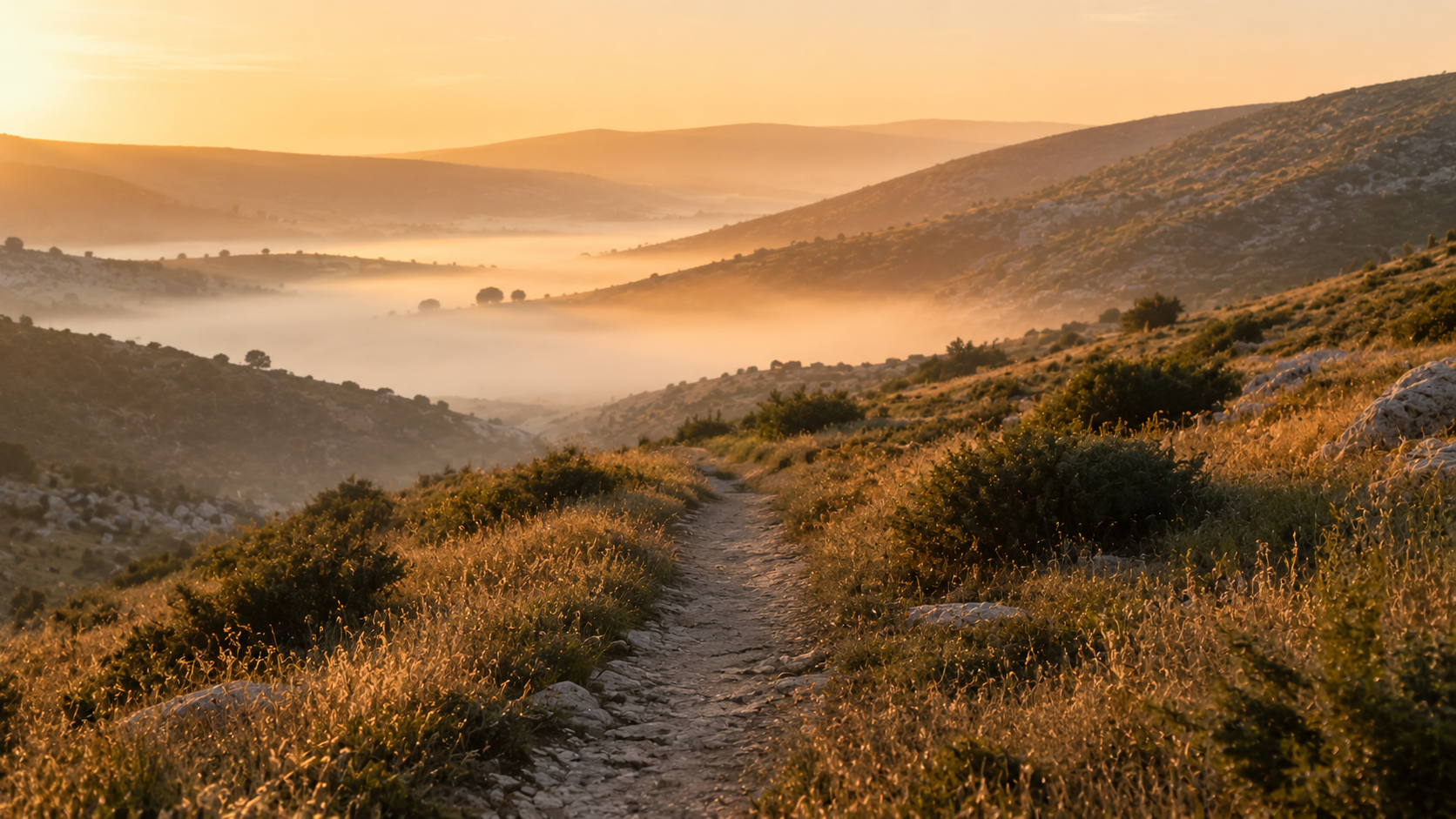
The Gilboa setting — elevated terrain with views across the Jezreel Valley — is distinctive. It is removed from urban environments, and this separation is a deliberate feature of the therapeutic community approach: the immersive community setting, away from the situations and relationships connected to substance use, is part of what makes the model work.
For specific information about accommodation, what to bring, and visiting arrangements for the Afik programme, contact the centre at 04-6488222 or through malkishua.org.il.
Entry to Malkishua Afik typically follows a referral pathway through the Israeli Ministry of Welfare’s addiction rehabilitation system. Most young residents enter with the support of a social worker, welfare officer, or through the National Anti-Drug and Alcohol Authority.
Contact Malkishua directly to ask questions and understand the process:
Phone and contact details are based on 2020 directory sources and the Malkishua website. Confirm current contact details before visiting or making decisions.
Malkishua Afik — Neve Malkishua
The Malkishua campus operates all three of its programmes (Afik, TC, and Detox) under a single main line. When you call, identify that you are enquiring about the Afik young adults programme.
Malkishua Afik is located on the Neve Malkishua campus on Mount Gilboa, in the north of Israel. The campus is in the Gilboa district, approximately one hour south-east of Haifa. The elevated terrain and panoramic views across the Jezreel Valley are characteristic of the setting.
The isolation from urban life — while within the northern region — is central to the therapeutic community model. Visitors and families should contact the centre before visiting to confirm arrangements.
The programme is designed for young adults aged 17 to 26. If you are older, the Malkishua Therapeutic Community for adult men, or another TC programme, may be more appropriate. Contact the Malkishua campus to discuss which programme is the right fit for your age and situation.
Both are residential therapeutic communities on the same Gilboa campus, operated by the same organisation. The core TC model is similar. The Afik programme is designed specifically for young adults aged 17–26, with additional emphasis on education, vocational development, and the life-skills development that young people in this age group need alongside addiction recovery. The adult TC is designed for men 26 and older.
Therapeutic communities for young adults in Israel typically integrate educational support alongside treatment — addressing the reality that many young people in recovery have interrupted schooling. Contact Malkishua directly to ask about the current educational component and what qualifications or credits residents can work toward.
Malkishua Afik operates within the Israeli Ministry of Welfare rehabilitation framework. For eligible residents, the public system covers the majority of costs. A client co-payment may apply. Contact the centre or speak with your social worker for a clear picture of costs in your specific situation.
Therapeutic communities generally include structured family involvement at key stages of the programme — though early phases typically limit contact to allow residents to establish themselves in the community. Ask the centre directly about when and how family can participate.
Based on publicly available information. Confirm eligibility and intake criteria directly with the center before making any decision.
Contact the center directly to confirm current availability, intake requirements, and accepted payment. All information should be independently verified before making any treatment decision.

RecoveryCompass sources listing information from government registries, ministry publications, and public provider data. We do not guarantee accuracy or current availability. Verify all information directly with the center before making any decision.
Read our full verification methodology → Report incorrect information →Before committing to any treatment program, it helps to speak directly with the center. Here are practical questions to ask during that first call.
A good treatment center will answer these questions clearly. If you are not sure what to ask, our team can help you prepare. Contact us for guidance →


National youth addiction org with 14 branches; confidential counselling for under-24s and parents.
Specialist outpatient treatment for alcohol, gambling and behavioral addictions; 4 locations.
Israel's first therapeutic community, founded 1987. Long-term residential rehabilitation for men near Beit Shemesh. Operated by Beit Or Aviva. MoH and Welfare supervised. Publicly funded. Hebrew only.
Not sure if this is the right center?
Our team can help you understand your options and find the best fit for your situation — at no cost to you.
Get help choosing a center →